
Introduction to Heating and Hot Water in UK Rentals
You don’t really think about heating or hot water until one of them stops working.
Then suddenly it’s all you can think about. The shower’s cold, the radiators aren’t coming on, and the flat that was fine a week ago now feels uncomfortable in a way that’s hard to ignore. In winter especially, it can go from annoying to serious very quickly.
That’s why heating and hot water aren’t treated as optional extras in rented homes. In the UK, they’re part of what makes a property safe and fit to live in. If either of them isn’t working properly, it can affect your health, your day-to-day routine, and whether the property is legally suitable to live in at all.
Landlords have clear responsibilities here. They’re expected to keep the systems for heating and hot water in proper working order, and if something breaks down, they’re expected to deal with it within a reasonable time. The law recognises that living without heating or hot water isn’t something tenants should simply have to put up with.
That said, the practical reality can still be frustrating. Some landlords respond quickly. Others don’t. And where shared systems, poor insulation, damp, or rising energy costs are involved, the issue can become bigger than just a boiler repair.
In this article, we’ll look at what landlords are responsible for, what your rights are as a tenant if the heating or hot water fails, the kinds of systems you might be dealing with, and what support may be available if keeping the place warm is becoming difficult.
Landlord Responsibilities for Heating and Hot Water
Landlords are legally responsible for making sure the property has working heating and hot water, and that those systems are kept in good repair.
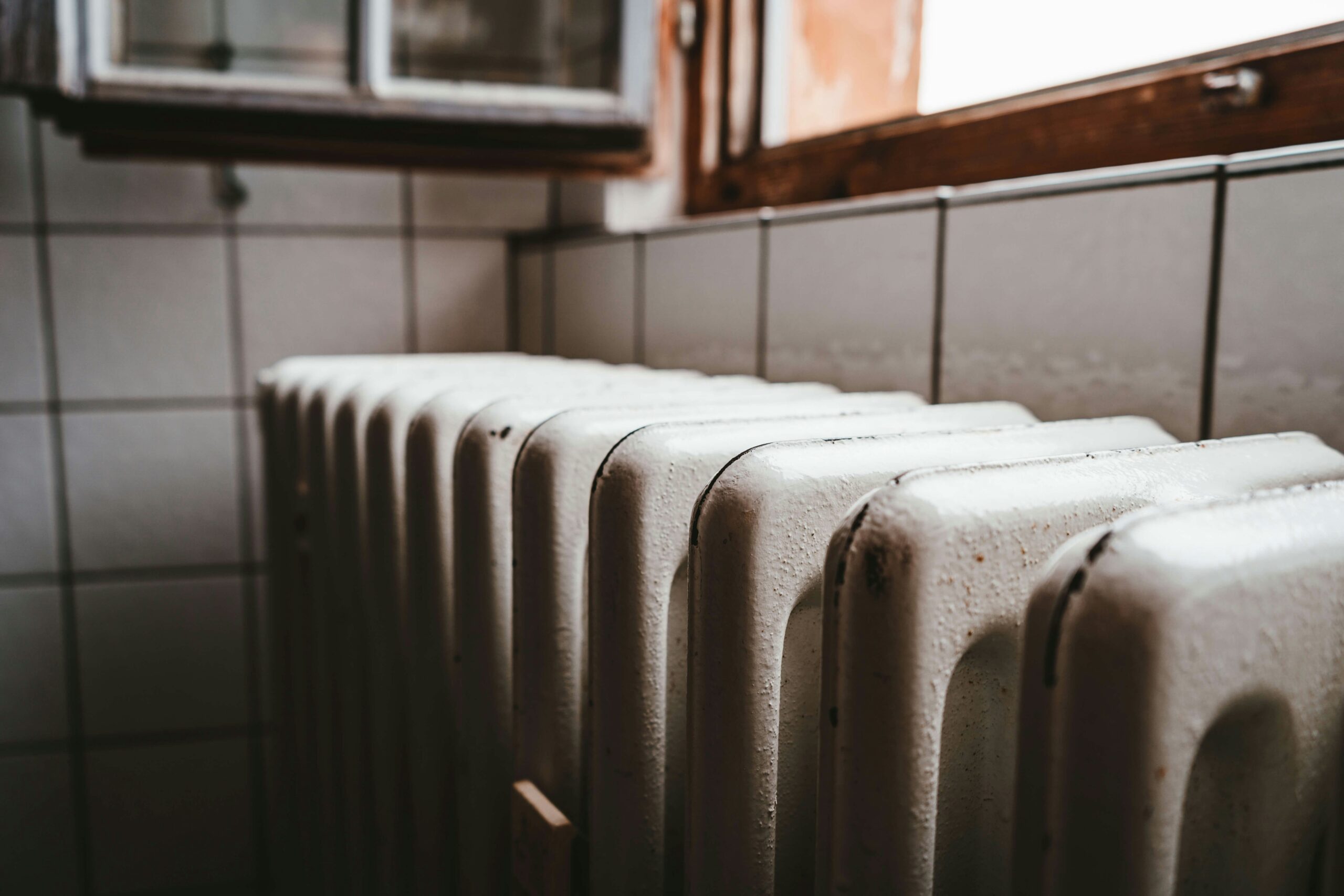
That usually means boilers, radiators, hot water tanks, pipework, and any fixed heating system that comes with the property. If something stops working, the landlord doesn’t get to treat it as optional or leave it until it suits them. They’re expected to put it right within a reasonable time, and where the issue is serious, especially in cold weather, that usually means dealing with it quickly.
A rented home should be capable of being heated properly and should have a reliable supply of hot water for washing and bathing. If it can’t, that can become a housing standards issue, not just a maintenance complaint.
Landlords are also responsible for safety. If the property has a gas boiler or other gas appliances, those need to be checked regularly by a qualified engineer. Electrical systems need to be safe as well, and any heating setup provided with the tenancy has to be maintained in a condition that doesn’t put tenants at risk.
Sometimes the problem is obvious, like a boiler that won’t fire up or radiators that stay cold. Other times, it’s more gradual. A heating system that technically works but doesn’t heat the home properly can still be a problem, especially if the property never really gets warm or the hot water is inconsistent.
That’s where the landlord’s broader responsibilities around habitability and repair start to overlap. It isn’t only about whether the switch turns on. It’s also about whether the home can realistically be lived in safely and comfortably.
Tenant Rights and What to Do if Heating or Hot Water Fails
If your heating or hot water stops working, you have the right to ask for it to be repaired, and your landlord should take that seriously.
The first step is usually to report the problem straight away and do it in writing if you can. Even if you also call or send a quick message, it helps to have something recorded clearly. Say what’s stopped working, when it started, and how it’s affecting the property.
If it’s winter, or there are young children, older people, or anyone with health issues in the household, make that clear too. It helps show why the repair is urgent rather than something that can sit on a list for a week or two.
It’s worth ruling out anything simple first if you can do so safely, such as checking the thermostat or reset button, but you shouldn’t feel under pressure to diagnose the whole system yourself. Once it’s clear the issue isn’t something straightforward on your end, the responsibility shifts back to the landlord.
If they respond quickly and get someone out, great. If they don’t, that’s where things often become more difficult.
You may need to follow up, keep a record of all communication, and if the problem drags on, consider speaking to the local council or getting advice from a housing charity or legal adviser. Where the lack of heating or hot water is serious enough, the council may be able to step in if the landlord is failing to act.
Some tenants also end up wondering whether they can claim compensation or a rent reduction if they’ve been left without heating or hot water for a long period. In some cases, that may be possible, especially where the problem has gone on too long or caused real disruption, but it’s usually something to get advice on before assuming anything.
The important thing is not to leave it undocumented. Once there’s a clear trail showing what was reported and when, your position is much stronger.
Common Heating Systems and Safety Considerations
Heating systems vary a lot from one rental property to another, and that can make a difference both to how problems show up and to who needs to deal with them.
In many homes, the main setup will be gas central heating, with a boiler feeding radiators and hot water through the property. In others, especially flats or older buildings, you might find electric storage heaters, panel heaters, immersion heaters, or some form of communal heating system where the whole building is supplied from a central source.
From a tenant’s point of view, you don’t need to become an expert in the system, but it does help to know the basics of what type of setup you’ve got and what tends to go wrong with it. A gas boiler breaking down is a different kind of issue from storage heaters not charging properly overnight, even though both leave you cold.
Safety matters just as much as functionality. Gas appliances, in particular, need regular checks, because faults can lead to serious risks, including carbon monoxide. Electrical heating systems also need to be in safe working order, and anything damaged, overheating, or behaving unpredictably should be reported straight away.
Portable heaters are another thing that often come into the picture when the main heating fails. They can help temporarily, but they’re not a substitute for a proper fixed heating system, and they need to be used carefully. If you’re relying on one because the main system has been down for days, that’s usually a sign the problem has gone on too long.
Sometimes heating problems point to wider issues too. A property that never warms up properly may have insulation problems, draughts, damp, or structural faults that make the heating feel ineffective even when it’s technically on. In those cases, the question becomes bigger than whether the boiler works.
Related Issues Affecting Heating and Hot Water
Heating and hot water problems often don’t sit neatly on their own. They tend to spill into other issues around the home.
Damp and mould are probably the most obvious example. If the property can’t be heated properly, condensation builds up more easily, clothes take longer to dry, and cold surfaces start collecting moisture. Over time, that can turn into mould, which then creates a separate health and housing issue on top of the original heating problem.
Pest problems can sometimes follow too, especially in properties that are cold, damp, or poorly maintained more generally. The same goes for plumbing problems. What looks like a hot water failure at first may actually be connected to leaking pipework, a faulty tank, or a bigger issue with the property’s water system.
This is part of why heating complaints are rarely just about comfort. They can be a sign that something more fundamental isn’t being dealt with properly.
And where the landlord keeps treating each issue as though it’s isolated, a mould problem here, a boiler issue there, a damp patch somewhere else, tenants can be left dealing with the bigger picture on their own. Often, the more helpful question is not just “what’s broken?”, but “why does this property keep ending up cold, damp, or without hot water in the first place?”
That broader view matters, especially if the same problems keep coming back.
Energy Supply, Costs, and Support for Heating
Even when the heating works, the next issue is often whether you can actually afford to use it.
That’s something a lot of renters struggle with, particularly in older properties where the system is inefficient or the insulation is poor. A home can technically have heating and still be expensive to keep warm, which leaves tenants stuck in that horrible position of having the system there but feeling unable to switch it on as much as they need to.
In most private rentals, tenants are responsible for the energy bills unless the tenancy says otherwise. That means the landlord has to provide working heating and hot water, but the day-to-day cost of running it usually sits with the tenant. In communal or district heating systems, things can be a bit more complicated, especially where heating bills are bundled into service charges or managed separately.
If you pay the energy bills directly, you may be able to switch supplier or tariff depending on the setup. If bills are included in the rent, that’s usually a different situation, because you won’t necessarily have the same control.
Where costs are becoming difficult, it’s worth checking what support might be available. Depending on your circumstances, that could include help through benefits, local council support, or other forms of energy-related assistance. A lot of renters leave this too late because they assume they won’t qualify, but it’s often worth checking properly rather than guessing.
It also helps to look at the property itself. If the bills are high because the place loses heat quickly, has old windows, or has an inefficient boiler, that’s not just a budgeting issue. It can overlap with the landlord’s responsibility to provide a property that’s reasonably fit to live in.
Tips for Tenants to Maintain Heating and Hot Water Comfortably
Tenants aren’t expected to repair boilers or maintain heating systems in the way a landlord should, but there are still a few practical things that can help keep everything running as it should.
For example, it helps not to block radiators with furniture or heavy curtains, and if you know how to use the thermostat and timer properly, that can make a real difference to both comfort and energy use. If your radiators are patchy or cold in places, it may be worth mentioning, because that can sometimes point to a system that needs attention rather than just “how it is”.
It’s also worth reporting small issues early. A boiler making strange noises, hot water taking ages to come through, or heating that cuts in and out can all seem manageable at first, but they often become harder to deal with if they’re left until the whole system fails.
From a comfort point of view, there are smaller things tenants can do around the home too, such as closing curtains in the evening, keeping draughts down where possible, and heating the rooms you actually use rather than trying to warm the whole property unnecessarily. None of that replaces a proper functioning system, but it can help in the meantime.
The main thing is not to fall into the trap of treating an obvious heating or hot water problem as something you just have to work around. There’s a difference between using the system sensibly and quietly absorbing a fault that really ought to be repaired.
What This Means and What to Do Next
If the heating or hot water in your rental isn’t working properly, the key thing is not to brush it off as a minor inconvenience, especially if it’s affecting daily life or the property is becoming cold and damp.
Landlords have legal responsibilities here, and while the exact response time may depend on the issue, they’re expected to deal with problems that affect heating and hot water properly. You don’t have to put up with a system that keeps failing or a home that never really gets warm enough.
Start by reporting the issue clearly, keeping a record of what’s happened, and paying attention to whether the problem is part of something bigger. If the landlord doesn’t act, there are steps you can take from there, and the sooner you start documenting things, the easier it becomes to protect your position.
Need Help Figuring Out Your Next Steps?
If your landlord isn’t dealing with heating or hot water problems, or you’re not sure what your rights are in your situation, Contend are here to help.
You can get clear, personalised guidance on what your landlord is responsible for, what steps make sense next, and how to raise the issue properly if you’re being ignored. We can also help you draft messages or letters if you need to request repairs or escalate the problem.
Create an account today to get started.