
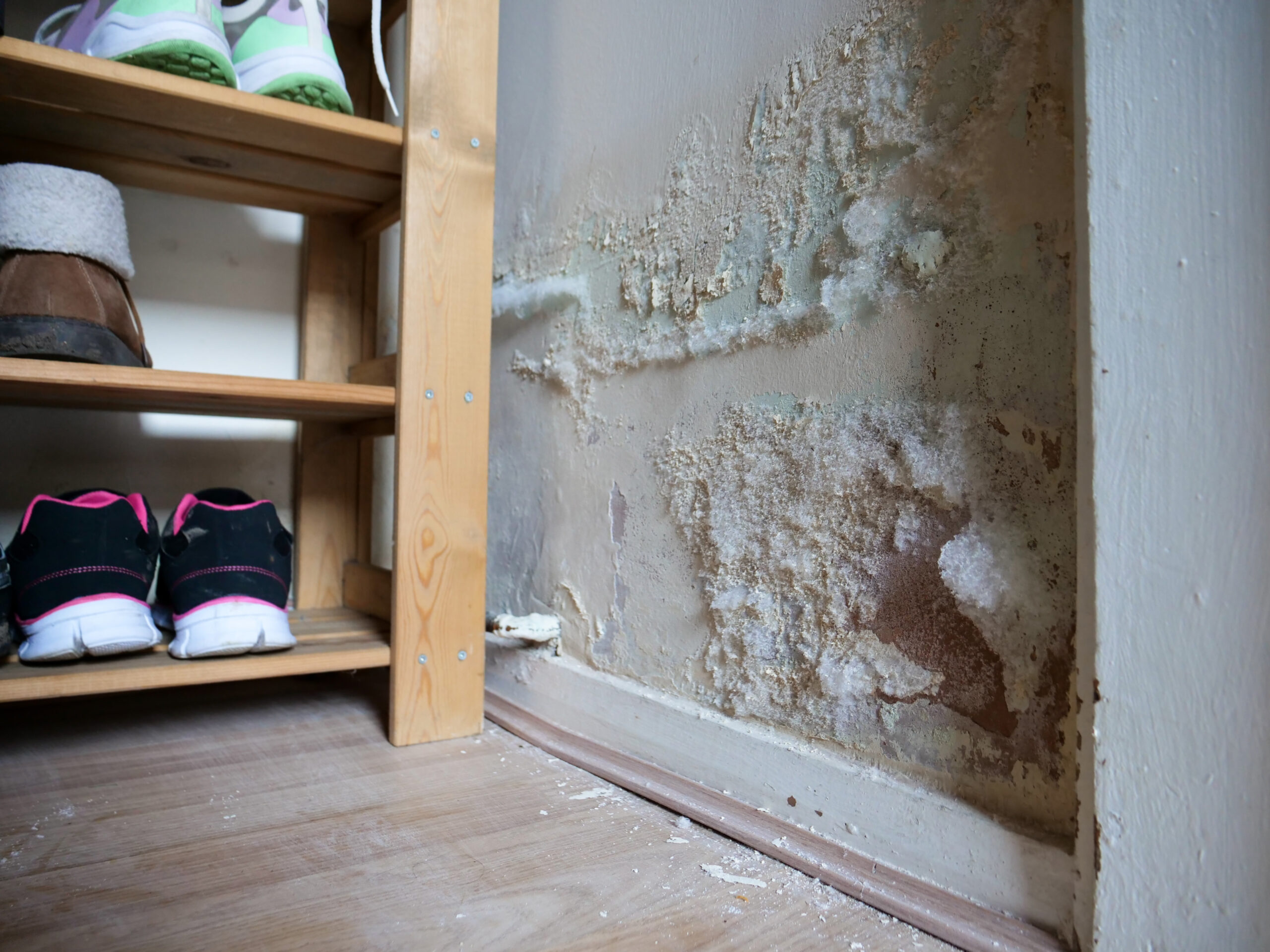
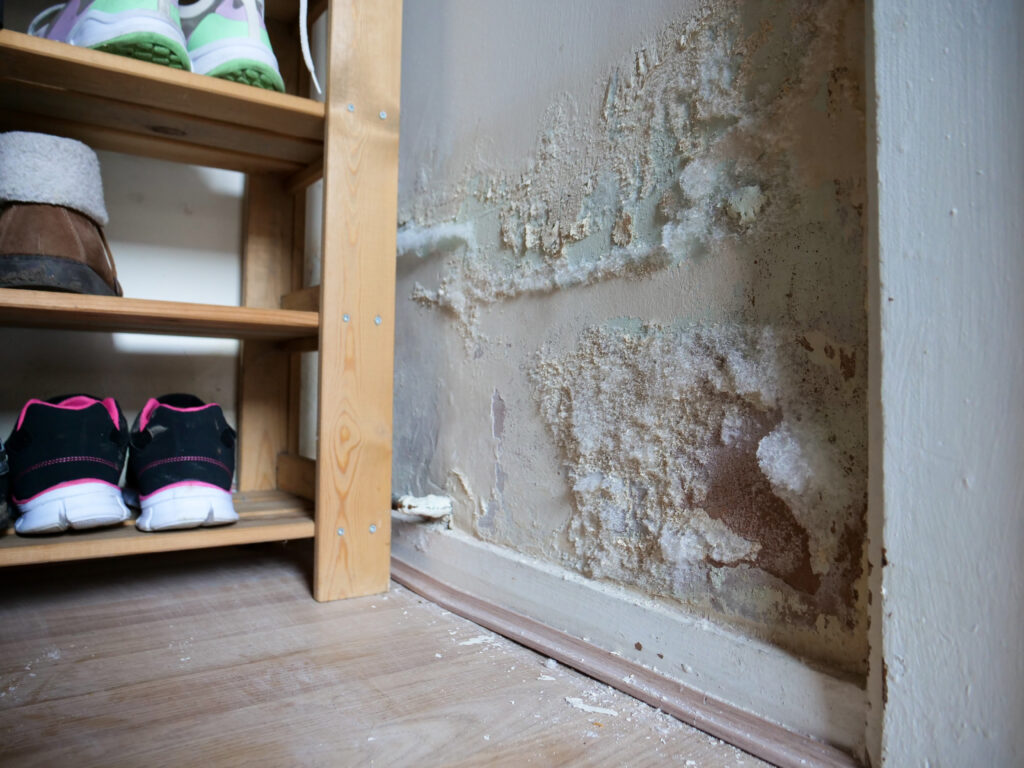
Understanding Water Damage From a Neighbour’s Property
It usually starts with something small: a damp patch that wasn’t there before, a stain slowly spreading across the ceiling, or a wall that suddenly feels cold and slightly wet to the touch. At first, you tell yourself it’s probably nothing. But then it gets worse, and you find yourself wondering if it’s coming in from next door…
Water damage from a neighbour’s property happens when water escapes from their home and ends up damaging yours. That could be caused by a leaking pipe, broken guttering, roof damage, overflowing drains, or some other issue that hasn’t been dealt with properly. In flats, this is especially common, because water has a habit of travelling. What starts as a problem upstairs can quickly end up on your ceiling, in your walls, or across your floor.
The difficult bit is that you don’t always know straight away where it’s coming from, or who’s meant to sort it out, but what you do know is that it needs dealing with quickly.
Even a fairly minor leak can turn into a much bigger problem if it’s left alone for too long. Damp, mould, damage to plaster, ruined flooring, damaged belongings, even structural issues if it goes on long enough. Acting early won’t just help limit the damage, it’ll also put you in a much stronger position if you end up needing to argue about repairs or costs later on.
In this article, we’ll look at what you can do if water damage is coming from a neighbour’s property, who’s responsible for fixing it, and what your options are if it isn’t resolved.
Communicating With Your Neighbour
If you think the leak may be coming from next door, the first step is usually to speak to your neighbour. That can feel awkward, especially if you don’t know them very well or you’re already worried they’ll be defensive, but in a lot of cases they simply won’t realise there’s a problem until you tell them.
It’s usually best to keep the conversation calm and factual. Explain what you’ve noticed, where the damage is showing up, and why you think it may be linked to their property. The aim at this stage isn’t to accuse them, but just to make them aware and start figuring out what’s going on.
If talking face to face doesn’t feel like the right option, or you’ve already tried and haven’t got anywhere, putting it in writing can help. A short note, text, or email is often enough. Just set out what the issue is, when you noticed it, and ask if they’re willing to discuss it or investigate. While all this is happening, it’s a good idea to keep a record of everything. Take photos of the damage, note down dates, and keep copies of any messages. It might feel a bit formal if things are still friendly, but if the problem drags on, you’ll be glad you kept track.
Assessing and Repairing the Damage
Once you know there’s a leak, the next job is working out how bad it is and where it’s actually coming from. Sometimes that’s obvious, but other times, it really isn’t. Water can travel in strange ways, so the visible damage isn’t always directly below the source. If the cause isn’t clear, or the damage looks more than minor, it’s usually worth getting a professional opinion. A surveyor, plumber, or other qualified specialist may be able to identify the source, assess the extent of the problem, and give you something in writing that backs up what you’re saying.
That can be especially useful if there’s any dispute later about responsibility. In general, if the leak comes from your neighbour’s property and it’s down to poor maintenance or a problem on their side, they may be responsible for the damage caused. But it isn’t always that straightforward. Shared drains, unclear boundaries, or issues involving communal areas can make things more complicated quite quickly.
While you’re working that out, the priority is to stop the damage getting worse. That may mean arranging urgent repairs, contacting your insurer, protecting your belongings, or taking temporary steps to reduce the impact. If your neighbour accepts responsibility, they might arrange repairs themselves or agree to cover the cost, but if they don’t, you may need to move things forward yourself and sort out the question of payment afterwards.
Legal Rights and Options if the Problem Persists
If you’ve raised the issue, tried to deal with it sensibly, and nothing’s changing, it may be time to look at your legal options. Property owners have a duty not to cause damage to neighbouring homes, so if water from your neighbour’s property is leaking into yours and causing harm, they may be legally responsible. That could apply whether the problem is a burst pipe, a damaged roof, blocked guttering, or something else that should reasonably have been dealt with.
If you’re renting, your landlord will usually still be responsible for repairs to your home, even if the source of the issue is next door. If you own your home, the legal position often comes down to nuisance or negligence, which can be a bit harder to prove without good evidence. That’s why records matter so much. Going back to what we mentioned earlier, photos, reports, receipts, messages, and dates will be really helpful when it comes to clearly showing what’s happened, and how long it’s been going on for. The clearer you are, the stronger your position will be.
If the problem is serious and still isn’t being fixed, you may eventually need to involve the council, speak to a solicitor, or consider court action. In some cases, it may be possible to apply for an injunction to force repairs to be carried out, or to claim compensation for the damage.
Using Dispute Resolution and Mediation
Before things get that far, it’s often worth thinking about mediation. It can be a useful middle ground when you’ve tried talking things through directly but haven’t really got anywhere, and you’d rather not jump straight into a legal dispute.
In simple terms, mediation means bringing in a neutral third party to help both sides have a proper conversation about what’s going on. It’s much less formal than going to court, usually quicker, and tends to cost a lot less as well. Just as importantly, it can help stop things becoming even more awkward or strained, which matters when you’re still living next door to each other.
It won’t work in every situation, especially if the other person isn’t willing to engage at all. But if things have become a bit stuck or tense, it can be more effective than people expect. A lot of councils offer mediation services, and there are also independent providers who specialise in neighbour disputes.
Even if it doesn’t fully resolve things, being able to show that you tried to deal with it reasonably can still work in your favour if the situation ends up going further.
Claiming Compensation for Damage
If your property or belongings have been damaged, you may be able to claim compensation, but it usually comes down to how clearly you can show what’s happened.
That means gathering evidence as you go. Take photos of the damage, keep receipts, get repair quotes, and make a note of anything you’ve had to replace or pay for because of the leak. It also helps to keep a simple timeline, just so you can show when you first noticed the issue, when you raised it, and what happened after that.
In some cases, this can be sorted out directly with your neighbour, especially if they accept responsibility or are happy to go through their insurance. In others, you may need to contact your own insurer first, as they’ll sometimes deal with the other party or their insurer on your behalf.
If things still aren’t resolved, you might need to take a more formal approach. That could mean sending a letter asking for compensation, or in some situations, going through the small claims process. It’s not usually the route people want to take, but it can become necessary if the damage is clear and the costs are starting to add up.
Additional Considerations and Related Issues
Leaks between neighbouring properties don’t always happen on their own. Quite often, they sit alongside other issues, things like maintenance, access, boundaries, or disagreements over who’s responsible for what.
In flats or converted buildings, it can get even more complicated. There might be landlords, freeholders, management companies, or shared areas involved, and that can make it harder to pin down where the responsibility actually sits. You can also run into problems if repairs need access to a neighbour’s property and they’re not cooperating, or if there’s uncertainty around whether the issue is coming from a shared pipe or drain rather than one specific home.
That’s part of what makes these situations so stressful. It’s rarely just about the leak itself, it’s the uncertainty around who’s meant to deal with it and what you’re supposed to do if nothing happens. The more complex the setup, the more important it becomes to get some clarity early on before things drag out.
What This Means and What to Do Next
If you’re dealing with water damage from a neighbour’s property, the main thing is not to leave it and hope it sorts itself out. These issues tend to get worse over time rather than better.
Start by making sure everything is properly documented, then try to deal with it calmly and directly if you can. If that doesn’t get things moving, there are still other options, whether that’s bringing in a professional to assess the damage, going through insurance, or looking at mediation or legal steps if it comes to it.
What makes sense as a next step will depend on what’s causing the problem, how serious the damage is, and whether your neighbour is willing to engage. Taking a bit of time to understand that before jumping into action can make the situation much easier to manage.
Need Help Figuring Out Your Next Steps?
If you’re not sure where you stand, or you want a clearer idea of what to do next, Contend can help.
You can get a straightforward explanation of your rights, tailored to your situation, and support with things like writing to your neighbour or understanding your options. It’s quick, practical, and designed to help you move forward with a bit more confidence.
Sign up now to get help quickly.