

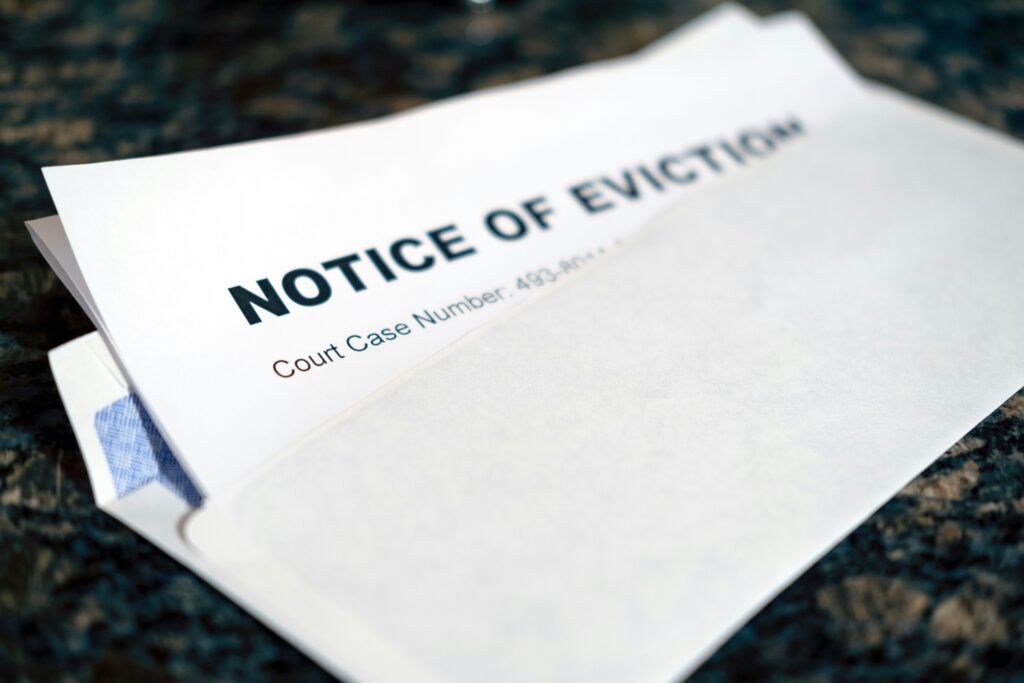
For millions of private renters in England, the abolition of Section 21 eviction is the most significant legal change in a generation.
From 1 May 2026, no-fault evictions are gone. Landlords can no longer ask tenants to leave without providing a valid legal reason. This guide explains exactly what Section 21 eviction abolished means in practice, how the new rules work, and what your rights are as a tenant under the Renters’ Rights Act 2025.
What Was Section 21 Eviction?
Section 21 of the Housing Act 1988 gave private landlords in England the power to evict tenants without providing any reason. All a landlord had to do was serve a written Section 21 notice giving the tenant at least two months to leave. No grounds were required. No explanation was needed. If the tenant did not leave by the end of the notice period, the landlord could apply to the court for a possession order, and in most cases the court had little choice but to grant it. You can read the original legislation on the UK legislation website.
This type of eviction became known as a no-fault eviction because the tenant had done nothing wrong. They could be up to date with their rent, looking after the property, and causing no problems whatsoever, and still receive a Section 21 notice out of the blue.
Why Was Section 21 Eviction Abolished?
The campaign to end Section 21 eviction had been building for years. Housing charities including Shelter and Citizens Advice repeatedly highlighted the devastating impact of no-fault evictions on tenants and their families. Research showed that Section 21 was one of the leading causes of homelessness in England, with thousands of households losing their homes each year through no fault of their own.
The problems caused by Section 21 eviction were well documented:
- Tenants lived in constant fear of losing their homes, particularly if they reported repairs or complained about conditions
- Families with children faced repeated disruption to schooling and community life
- Renters were reluctant to exercise their legal rights for fear of retaliatory eviction
- The threat of Section 21 gave landlords enormous power to keep tenants in poor-quality housing
- Homelessness charities reported that no-fault eviction was a leading cause of families presenting as homeless to local councils
The Government committed to abolishing Section 21 and delivered on that promise through the Renters’ Rights Act 2025, which came into force on 1 May 2026.
Section 21 Eviction Abolished: What Does This Mean in Practice?
From 1 May 2026, Section 21 eviction is abolished in England. Any Section 21 notice served on or after this date is not legally valid. Tenants who receive one should seek advice immediately.
With Section 21 eviction abolished, landlords in England can no longer ask a tenant to leave simply because they want the property back, want to re-let it at a higher rent, or have found a new tenant. Every eviction must now be based on a legally recognised reason, known as a ground for possession.
This is a fundamental shift in the balance of power between landlords and tenants. For the first time, private renters in England have genuine security of tenure: the right to stay in their home as long as they are meeting their obligations as a tenant, unless a landlord can demonstrate one of the specific grounds that justify ending the tenancy.
What Replaced Section 21 Eviction?
With Section 21 eviction abolished, landlords must now use the Section 8 notice process if they wish to end a tenancy. A Section 8 notice requires the landlord to cite one or more legally recognised grounds for possession, as set out in Schedule 2 of the Housing Act 1988.
Unlike a Section 21 notice, a Section 8 notice does not automatically result in eviction. If the tenant does not leave by the end of the notice period, the landlord must apply to the court for a possession order. At that hearing, the landlord must prove the ground is valid, and the tenant has the opportunity to challenge the eviction.
Full details of all grounds for possession under Section 8 are available on GOV.UK.
What Are the Grounds for Possession Under Section 8?
Now that Section 21 eviction is abolished, understanding the Section 8 grounds is essential for every private renter. The grounds are divided into mandatory grounds, where the court must grant possession if the ground is proven, and discretionary grounds, where the court has the power to consider whether eviction is reasonable even if the ground is made out.
Key Mandatory Grounds for Possession
These are grounds where, if the landlord proves the facts, the court must grant a possession order:
- Ground 1: The landlord or a close family member wishes to move into the property as their main home (cannot be used in the first 12 months of the tenancy)
- Ground 2: The property is subject to a mortgage and the lender is seeking possession
- Ground 7A: The tenant has been convicted of a serious criminal offence related to the property or local area
- Ground 8: The tenant has significant rent arrears (at least 2 months’ arrears for monthly tenancies) both at the time of serving the notice and at the date of the court hearing
- Ground 9A: The landlord intends to sell the property (cannot be used in the first 12 months of the tenancy)
Key Discretionary Grounds for Possession
These are grounds where the court has discretion and will consider whether eviction is reasonable in the circumstances:
- Ground 10: Some rent arrears exist, but below the threshold for Ground 8
- Ground 11: The tenant has persistently paid rent late, even if no arrears are currently outstanding
- Ground 12: The tenant has breached a term of the tenancy agreement other than the obligation to pay rent
- Ground 13: The tenant has allowed the condition of the property to deteriorate
- Ground 14: The tenant, a household member, or a visitor has caused a nuisance or engaged in antisocial behaviour
Under discretionary grounds, even if a landlord can prove the ground exists, the court can still refuse to grant possession if it decides that eviction would not be reasonable in the circumstances. This gives tenants an important layer of protection.
The 12-Month Protection Period
One of the most important protections introduced alongside Section 21 eviction being abolished is the 12-month protection period at the start of every new tenancy. During the first 12 months, a landlord cannot evict a tenant on the grounds that they wish to sell the property or move a family member in.
This means that when you move into a new rental property, you have a guaranteed minimum period of security. Your landlord cannot use these grounds to end your tenancy in the early months, giving you time to settle in without the threat of displacement.
What If My Landlord Served a Section 21 Notice Before 1 May 2026?
The abolition of Section 21 eviction applies to notices served on or after 1 May 2026. If your landlord served a valid Section 21 notice before that date, the previous rules may still apply to that specific eviction process, and the landlord may still be able to pursue possession through the courts under the old framework.
If you are in this situation, it is important to seek legal advice as quickly as possible. The rules around transitional cases can be complex, and the support of a housing adviser can make a significant difference to the outcome.
Free housing advice is available from Shelter England and the Housing Loss Prevention Advice Service.
What If I Receive a Section 21 Notice After 1 May 2026?
If your landlord serves a Section 21 notice on or after 1 May 2026, it has no legal effect. Section 21 eviction is abolished and the notice is not valid. You are not required to leave as a result of receiving it.
If this happens to you, take the following steps:
- Do not panic and do not leave the property simply because you have received the notice
- Keep a copy of the notice and note the date it was served
- Write to your landlord explaining that Section 21 notices are no longer valid from 1 May 2026
- Seek free legal advice from Citizens Advice, Shelter, or the Housing Loss Prevention Advice Service
- If your landlord attempts to harass or pressure you into leaving, this may constitute illegal eviction or harassment, which are criminal offences
Receiving a Section 21 notice after 1 May 2026 does not mean you have to leave your home. The notice has no legal force. Do not vacate the property without first seeking advice.
Section 21 Eviction Abolished: Protections Against Retaliatory Eviction
One of the most significant practical effects of Section 21 eviction being abolished is the protection it offers against retaliatory eviction. Before the change, tenants who complained about disrepair, asked for repairs, or reported their landlord to environmental health risked receiving a Section 21 notice in response. This created a powerful chilling effect on tenants exercising their legal rights.
With Section 21 eviction abolished, landlords no longer have this tool available. A tenant who reports a repair problem, challenges a rent increase at the First-tier Tribunal, or requests permission to keep a pet cannot be punished with a no-fault eviction notice. Landlords must have a genuine legal ground to seek possession, and a tenant exercising their legal rights is not a ground.
This change is expected to have a significant knock-on effect on housing standards, as tenants can now report disrepair and unsafe conditions without the same fear of losing their home.
How Does the Abolition of Section 21 Affect Landlords?
The abolition of Section 21 eviction places new obligations on landlords. Landlords who wish to end a tenancy must now:
- Identify a valid ground for possession from the list in Schedule 2 of the Housing Act 1988
- Serve a Section 8 notice citing the relevant ground or grounds
- Give the tenant the required notice period under that ground
- Apply to the court for a possession order if the tenant does not leave at the end of the notice period
- Attend a court hearing and provide evidence that the ground is valid
This process is more involved than the old Section 21 route, but it provides proper legal oversight of eviction decisions and gives tenants a genuine opportunity to challenge evictions that are not justified.
Landlords seeking guidance on the new possession process can find detailed information on the GOV.UK landlord guidance pages.
Section 21 Eviction Abolished: The Bigger Picture
The abolition of Section 21 eviction is the centrepiece of the Renters’ Rights Act 2025, but it sits alongside a package of other reforms that together represent the most significant overhaul of private renting in England for decades. These include:
- All tenancies becoming rolling periodic tenancies with no fixed end dates
- Rent increases restricted to once per year through the formal Section 13 process
- Tenants gaining the right to request a pet, which landlords cannot unreasonably refuse
- A 12-month protection period at the start of every new tenancy against eviction for sale or landlord occupation
- Stronger protections for tenants against illegal eviction and harassment
Together, these changes transform the experience of renting privately in England. The insecurity that defined renting under the old system, where the threat of a Section 21 notice hung over every tenant who dared complain, report a problem, or simply stay in their home too long, is now a thing of the past.
Section 21 Eviction Abolished: Key Facts at a Glance
- Section 21 no-fault eviction is abolished in England from 1 May 2026
- Any Section 21 notice served on or after 1 May 2026 is not legally valid
- Landlords must now use the Section 8 process, citing a legally valid ground for possession
- Tenants can challenge a Section 8 eviction in court
- Landlords cannot evict to sell or move in a family member in the first 12 months of a tenancy
- Retaliatory eviction using Section 21 is no longer possible
- Tenants who receive a Section 21 notice after 1 May 2026 do not have to leave
- Free legal support is available through the Housing Loss Prevention Advice Service
Where to Get Help
If you are facing eviction, have received a notice you do not understand, or simply want to know where you stand under the new rules, the following free resources are available:
- GOV.UK private renting and eviction guidance: https://www.gov.uk/private-renting
- Shelter England (free housing advice): https://england.shelter.org.uk
- Citizens Advice (free legal and housing guidance): https://www.citizensadvice.org.uk
- Housing Loss Prevention Advice Service (free legal help if facing eviction): https://www.gov.uk/guidance/legal-aid-for-possession-proceedings
Final Thoughts
Section 21 eviction abolished marks a turning point for private renters in England. After years of campaigning, insecurity and fear, tenants now have the legal foundation for a genuinely stable and fair renting experience. A landlord cannot take your home without a reason. That is a profound change, and one that every renter should understand and feel confident exercising.
If you are unsure about your rights, have received an eviction notice, or simply want to understand what the end of Section 21 means for your specific situation, do not wait. Get advice and know where you stand.
Worried about eviction or unsure about your rights under the new rules?
Contend is an AI-powered legal platform built to help renters in England understand their rights in plain English, with no jargon and no expensive solicitor fees. Whether you have received an eviction notice, want to understand what Section 21 eviction abolished means for you personally, or need guidance on the new Section 8 process, Contend gives you clear, reliable answers in minutes.
Get free legal guidance today at contend.legal.